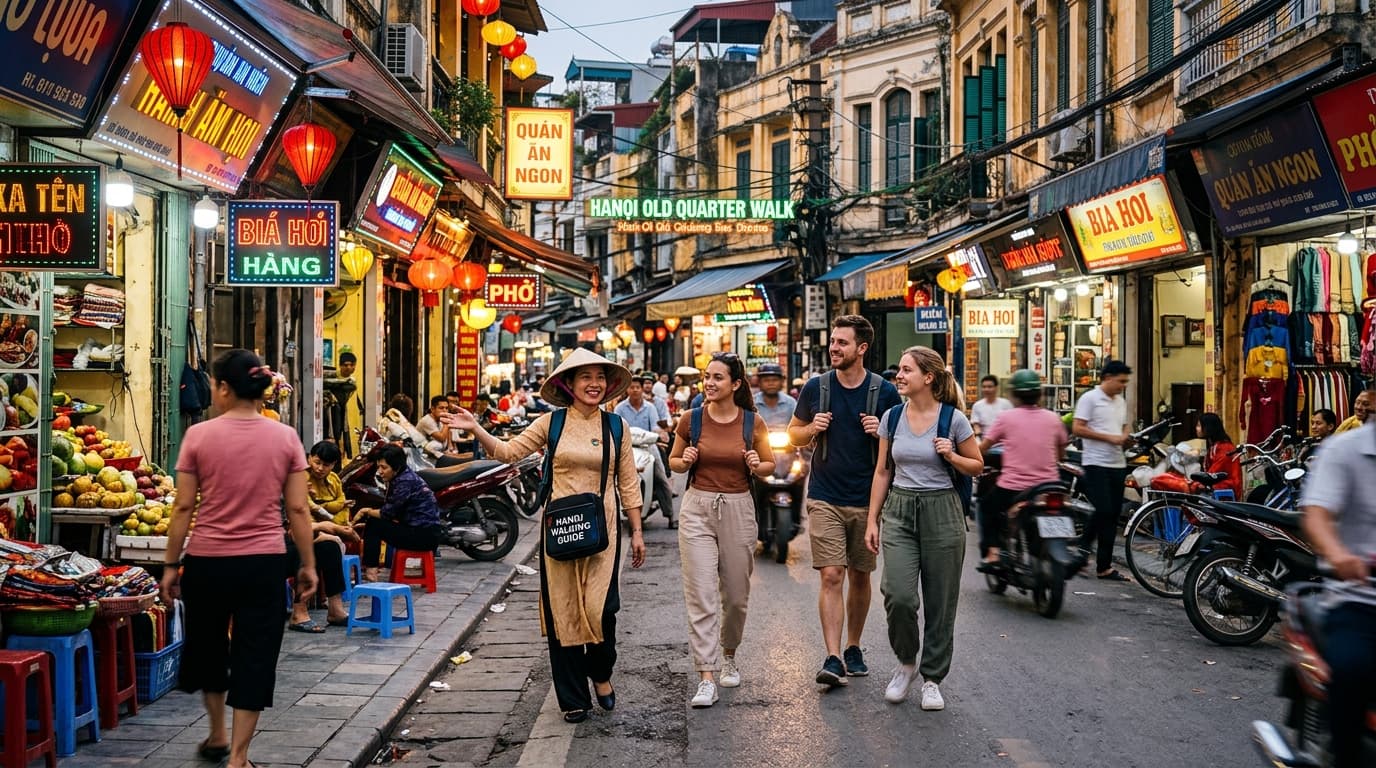
Hanoi Old Quarter Walking Guide: 36 Streets Explained
Hanoi Old Quarter Walking Guide: 36 Streets Explained
The Hanoi Old Quarter is a living, breathing museum where 1,000 years of Vietnamese history collides with the present moment—and nowhere else in Hanoi captures this collision quite like its labyrinth of 36 historic streets. When we first explored these narrow lanes on foot, dodging motorbikes and ducking under laundry lines, we realized this wasn't just a tourist attraction; it was the authentic heartbeat of the city.
This comprehensive walking guide breaks down each of the 36 streets—their history, what you'll find there, where to eat, and how to navigate them like a local.
Key Takeaways
| Question | Answer |
|---|---|
| What is the best time to visit? | October–November and March–April offer cool, dry weather ideal for walking. Avoid summer (May–September) heat and humidity. |
| How much does it cost? | Free to explore; budget 50,000–150,000 VND (USD $2–6) per meal at street food stalls. |
| How do I get there? | Hanoi's Old Quarter is walkable from Hoan Kiem Lake. Use taxis, Grab, or local buses to reach the area. |
| Is it safe? | Yes, the Old Quarter is generally safe for tourists. Stay alert to traffic and petty theft in crowded areas. |
| What should I book in advance? | Walking tours (2–3 hours) and cooking classes fill quickly during peak season. Book 1–2 days ahead. |
| What's the best street for food? | Hang Gai Street (Silk Street) and Ta Hien Street offer the widest variety of authentic street food and restaurants. |
| How long should I spend here? | A full day (6–8 hours) allows you to walk most streets, eat multiple meals, and explore temples and museums. |
1. The History & Layout of the 36 Streets
The 36 streets of Hanoi's Old Quarter weren't randomly named—each street was historically dedicated to a specific trade or craft. When we walked these lanes with a local guide, she explained that merchants selling the same goods clustered together for protection and to maintain quality standards. This medieval guild system shaped the entire neighborhood, and you can still see echoes of it today.
The streets radiate from Hoan Kiem Lake like spokes on a wheel, with the most famous streets forming a rough rectangle in the heart of the Old Quarter. The original 36 streets have since expanded to include dozens more, but the core 36 remain the cultural and commercial soul of the neighborhood.
The Guild System: Why Streets Have Specific Names
Each street's name reflects its original purpose. Hang Gai means "silk street," Hang Ngang was for coffin makers, and Hang Dau was the oil and fat market. This specialization created natural gathering points for merchants and customers alike. Today, many streets have diversified, but you'll still find hints of their heritage—silk shops on Hang Gai, for instance, or jewelry stores clustered on Hang Bac (silver street).
Geographic Layout: Navigating the Maze
The Old Quarter sits north of Hoan Kiem Lake, bounded roughly by Hang Dau Street to the west, Hang Ngang Street to the south, and Hang Dao Street to the east. The streets are narrow—some barely 2 meters wide—and traffic flows in all directions. Our team found that the best way to navigate was to pick a main street (like Hang Gai or Ta Hien) and then allow yourself to get "lost" in the side alleys. You'll always find your way back to a recognizable landmark.
Discover the best guided tours and activities in Hanoi, Ho Chi Minh City, Da Nang and beyond.
Browse Tours on GetYourGuide → Scan me
2. The Essential Streets: Hang Gai, Ta Hien & Hang Dao
If you only have a few hours in the Old Quarter, focus on these three main arteries. They're the most walkable, have the best restaurants and shops, and capture the essence of what makes the neighborhood special.
Hang Gai Street (Silk Street)
Hang Gai is the Old Quarter's most famous street, and for good reason. Lined with silk shops, tailors, and upscale restaurants, it's where tourists and locals converge. When we visited on a Saturday morning, the street was alive with energy—shop owners calling out to passersby, the smell of coffee and grilled meat wafting from nearby eateries, and motorbikes weaving through the crowd with practiced precision.
The street runs north-south for about 800 meters and is one of the widest in the Old Quarter, making it easier to navigate than some of the narrower lanes. You'll find:
- Silk shops and tailors: Custom clothing can be made in 2–3 days. Prices start around 500,000 VND (USD $20) for a simple garment.
- Lacquerware and crafts: Traditional Vietnamese lacquerware, woodcarvings, and ceramics.
- Restaurants and cafes: A mix of tourist-friendly establishments and local favorites.
Did You Know? The silk trade on Hang Gai dates back to the 15th century, when Vietnamese merchants began importing raw silk from China and dyeing it locally. The street's name has remained unchanged for over 600 years.
Ta Hien Street (Tourist Heart)
Ta Hien is the Old Quarter's most touristy street—and that's not necessarily a bad thing. It's pedestrian-friendly (closed to traffic in the evening), packed with bars, restaurants, and street food vendors, and it's where you'll find the most international dining options. Our first night in the Old Quarter, we grabbed a beer and grilled chicken on Ta Hien and watched the chaos unfold around us: tourists haggling with vendors, locals playing cards at sidewalk tables, and the constant hum of activity.
The street is best visited in the late afternoon or evening when the street food vendors set up their stalls and the bars begin to fill. You'll find:
- Street food stalls: Grilled meat, spring rolls, noodle soups, and fresh fruit smoothies.
- Bars and beer halls: Everything from backpacker hangouts to upscale cocktail bars.
- Souvenir shops: Tourist-oriented but with some quality finds if you dig.
Hang Dao Street (Red River of Commerce)
Hang Dao (literally "silk dye street") runs parallel to Hang Gai and is slightly less touristy but equally vibrant. It's one of the widest streets in the Old Quarter and serves as a major commercial hub. When we explored Hang Dao, we found a mix of traditional shops (selling everything from hardware to textiles) and modern cafes.
The street is particularly good for:
- Traditional Vietnamese goods: Textiles, clothing, and household items at local prices.
- Casual dining: Smaller, family-run restaurants where you'll eat alongside locals.
- Observing daily life: Less focused on tourism, so you'll see how locals actually use these streets.
Walk Hang Dao in the early morning (6–7 AM) to see the Old Quarter before the tourist crowds arrive. You'll see locals buying breakfast, vendors setting up stalls, and the neighborhood in its most authentic state.
3. The Spiritual Heart: Temples & Historic Sites
The Old Quarter isn't just about shopping and eating—it's a deeply spiritual place with temples, shrines, and historic sites woven into the fabric of daily life. When we visited the Temple of the Jade Mountain on a quiet morning, we found locals burning incense and praying, completely unbothered by the tourists snapping photos outside.
Temple of the Jade Mountain (Ngoc Son Temple)
Compare hotels, resorts, and guesthouses across Vietnam with free cancellation on most bookings.
Search Hotels on Booking.com → Scan me
Located on a small island in Hoan Kiem Lake (technically outside the Old Quarter but immediately adjacent), the Temple of the Jade Mountain is one of Hanoi's most iconic sites. The temple is dedicated to Tran Hung Dao, a 13th-century military hero, and offers stunning views of the lake and the surrounding city.
Visiting details:
- Entrance fee: Around 30,000 VND (USD $1.20)
- Hours: 8 AM–5 PM daily
- Best time: Early morning or late afternoon for fewer crowds and better light
The temple is reached via a charming red wooden bridge (Huc Bridge), which is photogenic in itself. Inside, you'll find ornate altars, wooden carvings, and a peaceful atmosphere despite the proximity to the bustling Old Quarter.
St. Joseph's Cathedral
Just west of the Old Quarter, St. Joseph's Cathedral is Hanoi's oldest church, built in the 1880s during the French colonial period. The Gothic architecture stands in striking contrast to the traditional Vietnamese temples nearby. During our visit, we found the cathedral open for prayer and quiet reflection—a peaceful respite from the Old Quarter's energy.
The cathedral is free to enter and open during daylight hours. It's a short walk from Hang Gai Street and makes for an interesting cultural contrast.
4. Street Food Guide: Where to Eat in the Old Quarter
The Old Quarter is Vietnam's street food capital, and no visit is complete without eating your way through it. When we spent a week exploring Hanoi's street food scene, we realized that the best meals often came from unmarked stalls run by the same family for decades.
Must-Try Dishes & Where to Find Them
| Dish | Best Street | Description | Avg. Price |
|---|---|---|---|
| Pho | Hang Gai, Hang Manh | Rice noodle soup with beef or chicken | 30,000–50,000 VND |
| Bun Cha | Hang Manh, Hang Dieu | Grilled pork with noodles and dipping sauce | 40,000–60,000 VND |
| Banh Mi | Hang Gai, Ta Hien | Vietnamese sandwich with pâté and pickled vegetables | 20,000–40,000 VND |
| Goi Cuon | Ta Hien, Hang Gai | Fresh spring rolls with peanut sauce | 25,000–40,000 VND |
| Com Tam | Hang Manh, Hang Dieu | Broken rice with grilled pork and egg | 35,000–50,000 VND |
Specific Recommendations
For Pho: Head to Hang Manh Street early in the morning (6–7 AM). Several family-run pho stalls open before dawn and serve until mid-morning. The broth is simmered overnight and is noticeably richer than chain restaurants. When we ate pho at one of these stalls, the owner's grandmother was still in the kitchen at 6:30 AM, tending to the broth pot.
For Bun Cha: Hang Dieu Street has several excellent bun cha vendors. The dish consists of grilled pork patties served with rice noodles, fresh herbs, and a sweet-sour dipping sauce. Eat it the way locals do: dip the noodles in the sauce, add herbs, and enjoy.
For Street Snacks: Ta Hien Street in the evening becomes a food court. Vendors set up carts selling grilled meat skewers, spring rolls, and fresh fruit smoothies. Prices are slightly higher than side streets (due to tourism), but the variety and atmosphere are unbeatable.
Skip the hassle — book Vietnam day trips, cooking classes, and experiences in advance with instant confirmation.
Browse Activities on Klook → Scan me
5. The Lesser-Known Streets: Hidden Gems
While Hang Gai and Ta Hien are worth visiting, the real magic of the Old Quarter lies in the quieter, less-touristed streets. When we wandered off the main drags, we discovered family-run shops, local cafes, and a slower pace of life that felt authentically Hanoi.
Hang Bac Street (Silver Street)
Hang Bac was historically the silver market, and you can still find jewelry shops along this street. It's less crowded than Hang Gai but equally atmospheric. The street is narrow and winding, with shops selling everything from antique silver to modern jewelry. We found a small cafe halfway down the street where locals gathered for coffee—a perfect spot to sit and watch the world go by.
Hang Buom Street (Sail Street)
Hang Buom is one of the quietest streets in the Old Quarter, named after the sail makers who once worked here. Today, it's lined with small shops selling textiles, clothing, and traditional crafts. The street is steep and narrow, and you'll encounter far fewer tourists here than on the main streets. This is where you'll find authentic local life—families living above shops, children playing in the street, and the genuine rhythm of the neighborhood.
Hang Ngang Street (Coffin Street)
Hang Ngang has a macabre history—it was once the coffin-making district. Today, it's a bustling commercial street with a mix of shops and restaurants. The street is notable for its narrow width (some sections are barely 2 meters across) and its role as a major north-south artery through the Old Quarter. When we walked Hang Ngang, we were struck by how the street's history had completely transformed while its name remained unchanged.
Hang Dau Street (Oil Street)
Hang Dau marks the western boundary of the Old Quarter and is one of the main thoroughfares. It's less touristy than Hang Gai but busier than some of the side streets. The street has a good mix of shops, restaurants, and cafes, and it's a good place to observe local commerce without the tourist focus of the main streets.
6. Shopping in the Old Quarter: What to Buy & Where
The Old Quarter is a shopper's paradise, but it's easy to get overwhelmed by the sheer volume of goods and vendors. During our shopping expeditions, we learned to distinguish between tourist traps and genuine local shops.
What to Buy
Skip the hassle — book Vietnam day trips, cooking classes, and experiences in advance with instant confirmation.
Browse Activities on Klook →
Scan me
Silk and Textiles: Hanoi is famous for its silk, and the Old Quarter is the best place to buy it. Hang Gai Street has dozens of silk shops offering everything from raw silk to finished garments. Prices vary widely depending on quality and whether you're buying ready-made or custom items.
Lacquerware: Traditional Vietnamese lacquerware is beautiful and makes an excellent souvenir. Look for items with intricate inlays and hand-painted designs. Prices start around 200,000 VND (USD $8) for small items like coasters.
Ceramics and Pottery: The Old Quarter has several shops selling ceramics from Bat Trang (a pottery village just outside Hanoi). Look for blue-and-white designs, which are traditional Vietnamese patterns.
Coffee: Vietnamese coffee is world-class, and the Old Quarter has several specialty coffee shops. Buy whole beans or pre-ground, and don't miss Ca Phe Sua Da (iced coffee with condensed milk) while you're here.
Conical Hats (Non La): These iconic Vietnamese hats make great souvenirs and are lightweight for packing. Prices range from 50,000–200,000 VND (USD $2–8) depending on quality.
Where to Shop (and Where to Avoid)
Best for Quality: Hang Gai Street has the highest concentration of quality shops, though prices are correspondingly higher. Expect to pay premium prices, but you're more likely to get authentic goods.
Best for Local Prices: Hang Dao and Hang Bac streets have better prices than Hang Gai because they attract fewer tourists. You'll need to haggle, but it's expected and part of the experience.
Avoid Tourist Traps: Shops immediately surrounding Hoan Kiem Lake and those on Ta Hien Street (in the evening) tend to have inflated prices. If a vendor is aggressively calling you into their shop, it's usually a sign of overpriced goods.
Haggling is expected in the Old Quarter, but be respectful. Start at 60–70% of the asking price and work toward the middle. Vendors appreciate customers who engage in good-natured negotiation.
7. Where to Stay in the Old Quarter
The Old Quarter offers accommodation options ranging from budget hostels to upscale hotels. When we stayed in the neighborhood, we found that being in the heart of the action was both a blessing (everything is walkable) and a curse (noise can be significant, especially on weekends).
Accommodation by Budget
Budget (Under 300,000 VND / USD $12): Hostels and basic guesthouses are plentiful on Ta Hien Street and surrounding lanes. These are social, fun, and perfect for solo travelers or groups. Expect shared dorms and basic amenities.
Mid-Range (300,000–800,000 VND / USD $12–32): Small hotels and guesthouses with private rooms, air conditioning, and basic amenities. These are scattered throughout the Old Quarter and offer good value.
Upscale (800,000+ VND / USD $32+): Several boutique hotels and upscale guesthouses offer colonial-era charm with modern amenities. These tend to be quieter and more comfortable than budget options.
Noise Considerations
The Old Quarter is lively—which is part of its charm—but it can be loud, especially on weekends and in the evening. If you're a light sleeper, consider staying on quieter streets like Hang Bac or Hang Buom, or opt for accommodation slightly outside the Old Quarter (near Hoan Kiem Lake or in the French Quarter).
Compare hotels, resorts, and guesthouses across Vietnam with free cancellation on most bookings.
Search Hotels on Booking.com →
Scan me
8. Getting Around: Navigation Tips & Safety
The Old Quarter's narrow streets and chaotic traffic can be intimidating at first, but once you understand the rhythm, it's easy to navigate. When we first arrived, the traffic seemed impossibly dangerous, but we quickly learned that motorbikes and cars move in predictable patterns, and pedestrians have an unspoken right of way.
Walking Tips
Stay to the Side: Walk along the edges of streets, not down the middle. Motorbikes will honk to warn you, but it's your responsibility to stay aware.
Expect Narrow Streets: Many streets are barely 2 meters wide. When two motorbikes pass, you may need to step into a shop or doorway to let them through. This is normal.
Use Landmarks: Rather than relying on street names, use landmarks like temples, major intersections, or shops to orient yourself. Ask locals for directions using landmarks: "Where is the temple?" rather than "Where is Hang Gai Street?"
Bring Comfortable Shoes: You'll be walking on uneven pavement, and many streets are steep. Wear supportive, slip-on shoes (you may need to remove them in temples).
Safety Considerations
Petty Theft: The Old Quarter is generally safe, but petty theft does occur in crowded areas. Keep valuables secure, especially on Ta Hien Street in the evening.
Traffic: The biggest "danger" is traffic. Stay alert, make eye contact with drivers, and cross streets confidently (hesitation confuses drivers).
Scams: Avoid unsolicited offers of tours, taxis, or services. Use official taxis or the Grab app (Southeast Asia's Uber equivalent) for transportation.
9. Best Time to Visit & Weather Considerations
The best time to visit the Old Quarter is October to November and March to April, when the weather is cool and dry. During our visits in these months, we could walk for hours without feeling exhausted by heat and humidity.
Seasonal Breakdown
Compare car rental prices across Vietnam. Pick up at airports or city locations with flexible cancellation.
Compare Car Rentals →
Scan me
October–November (Autumn): Cool (15–25°C / 59–77°F), dry, and perfect for walking. This is peak tourist season, so expect crowds.
December–February (Winter): Cool but can be damp and overcast. Fewer tourists, but some days are gray and dreary.
March–April (Spring): Warm (20–28°C / 68–82°F), mostly dry, and beautiful. Another peak season.
May–September (Summer): Hot (28–35°C / 82–95°F), humid, and rainy. Walking the Old Quarter in summer is exhausting, but if you go early in the morning (before 9 AM), it's manageable.
Did You Know? Hanoi experiences a monsoon season from May to September, with average rainfall of 100–200mm per month. The Old Quarter's narrow streets can flood during heavy rains, so bring an umbrella if visiting during this period.
10. Suggested Itineraries
1-Day Old Quarter Itinerary
Morning (6–9 AM): Start early to avoid crowds. Grab pho or banh mi from a street vendor on Hang Manh or Hang Gai Street. Walk slowly, observing the neighborhood waking up.
Late Morning (9 AM–12 PM): Visit the Temple of the Jade Mountain. Cross the red bridge, explore the temple, and enjoy views of Hoan Kiem Lake.
Lunch (12–1 PM): Eat bun cha on Hang Dieu Street or grab a banh mi sandwich.
Afternoon (1–5 PM): Explore the lesser-known streets (Hang Bac, Hang Buom, Hang Ngang). Pop into shops, visit St. Joseph's Cathedral, and get lost in the alleys.
Late Afternoon (5–6 PM): Grab coffee (try Ca Phe Sua Da) at a cafe on Hang Gai or Hang Bac.
Evening (6 PM+): Walk Ta Hien Street as street food vendors set up. Eat grilled meat, spring rolls, or other street snacks. Grab a beer and watch the chaos.
3-Day Old Quarter Itinerary
Day 1: Follow the 1-day itinerary above.
Day 2:
- Morning: Visit a local market (Dong Xuan Market, the oldest market in Hanoi, is on the edge of the Old Quarter).
- Late Morning: Take a cooking class (several operators offer 3–4 hour classes teaching how to make pho, spring rolls, and other Vietnamese dishes).
- Afternoon: Explore Hang Dao, Hang Buom, and other quieter streets. Shop for souvenirs.
- Evening: Dinner at a sit-down restaurant on Hang Gai or Hang Dao.
Day 3:
- Morning: Visit any streets you missed on Day 1 and 2.
- Late Morning: Browse shops on Hang Gai for silk, lacquerware, or ceramics.
- Afternoon: Visit a museum (the Old Quarter has several small museums dedicated to Vietnamese history and culture).
- Evening: Final meal and walk through the Old Quarter before departure.
Frequently Asked Questions
How long does it take to walk all 36 streets?
A leisurely walk through all 36 streets takes 6–8 hours, including stops for food and shopping. Most visitors spend 1–3 days in the Old Quarter, focusing on the main streets and a selection of side streets.
Is it possible to drive a car through the Old Quarter?
Yes, but it's not recommended. The streets are narrow, traffic is chaotic, and parking is nearly impossible. Walking or using taxis/Grab is much easier.
What's the best way to avoid tourist traps?
Eat where locals eat (look for busy stalls with a line of locals), avoid shops aggressively calling you inside, and don't accept unsolicited offers of tours or services. Ask your hotel for recommendations.
Can I visit the Old Quarter at night?
Yes, and it's actually one of the best times to visit. The street food scene comes alive in the evening, and the neighborhood has a different energy. Just stay aware of your surroundings and keep valuables secure.
Are there any festivals or special events in the Old Quarter?
The Mid-Autumn Festival (September/October) brings special decorations and events to the Old Quarter. Tet (Lunar New Year) also transforms the neighborhood with decorations and special markets. Check with your hotel for specific dates.
How much should I budget for food in the Old Quarter?
Street food is incredibly cheap: 20,000–60,000 VND (USD $0.80–2.40) per meal. Sit-down restaurants range from 100,000–300,000 VND (USD $4–12) per meal. You could eat well for 200,000–300,000 VND (USD $8–12) per day if you stick to street food and casual restaurants.
Conclusion
The Hanoi Old Quarter is more than just a tourist destination—it's a living piece of Vietnamese history, a culinary paradise, and a window into how locals actually live. When we explored these 36 streets over multiple visits, we discovered that the real magic isn't in any single attraction; it's in the cumulative experience of wandering, eating, observing, and getting a little bit lost.
Whether you spend a few hours or several days here, approach the Old Quarter with curiosity and an open mind. Skip the major tourist traps, eat where locals eat, and allow yourself to wander down side streets without a plan. That's when you'll discover the true soul of Hanoi.
For more inspiration on exploring Vietnam's cities, check out our complete city guides and street food recommendations.
Ready to book your Hanoi adventure? Start planning your trip today and experience the Old Quarter like a local.
The Go2Vietnam Team has spent years exploring Hanoi's neighborhoods, eating at street stalls, and navigating the city's chaotic beauty. This guide is based on firsthand experience and conversations with local residents, shop owners, and fellow travelers.
Bronnen & Referenties
Dit artikel is gebaseerd op eigen ervaring en geverifieerd met de volgende officiële bronnen:

Go2Vietnam Team
Vietnam verkennen sinds 2020 | 40+ provincies bezocht | Maandelijks bijgewerkt
Wij zijn een team van reisschrijvers en Vietnam-liefhebbers die het land het hele jaar door verkennen. Onze gidsen zijn gebaseerd op eigen ervaring, lokale kennis en geverifieerde officiële bronnen.
Meer over ons →Anderen lezen ook

Da Lat: Vietnam's French Hill Station in the Central Highlands
Discover Da Lat, Vietnam's misty French hill station. Complete guide to neighborhoods, sights, food, stays, and practical tips.
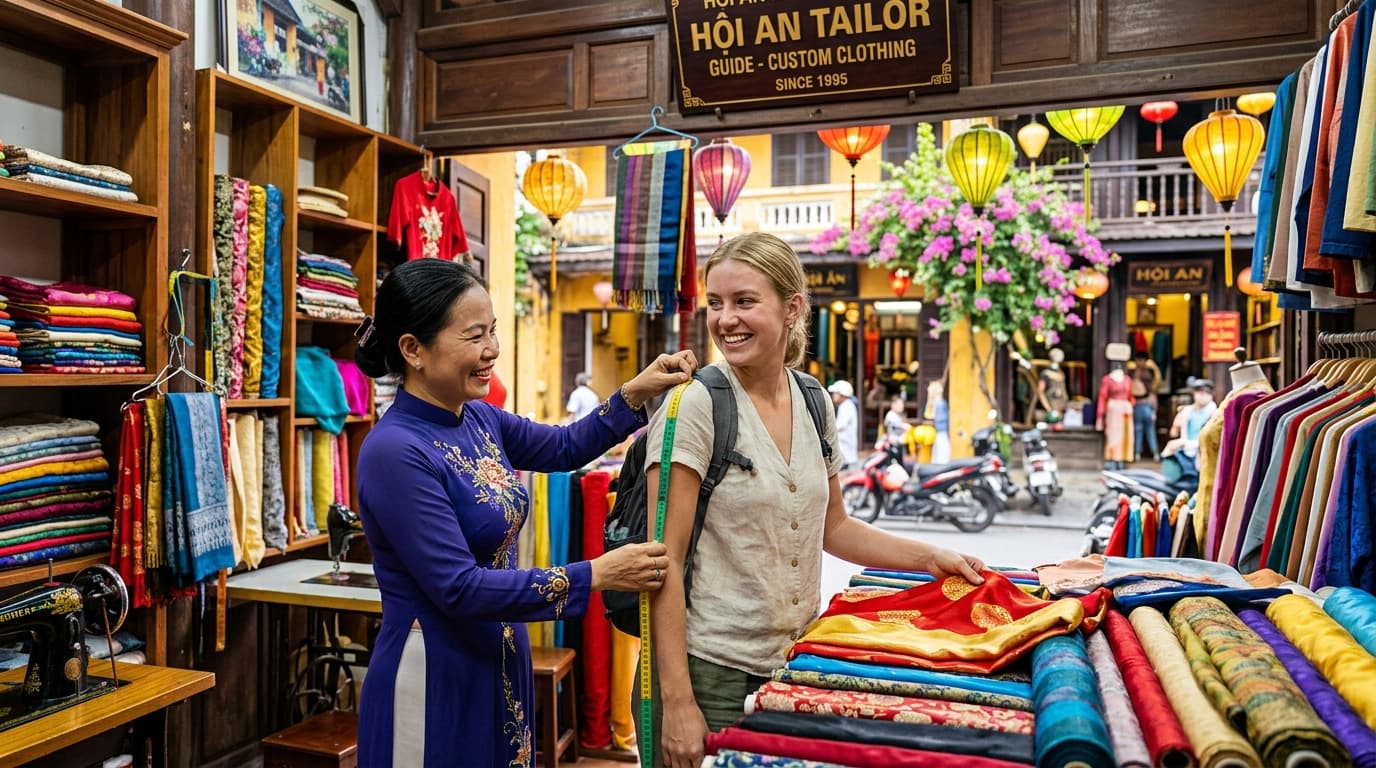
Getting Clothes Made in Hoi An: The Complete Tailor Guide
Everything you need to know about getting clothes made in Hoi An: best tailor shops, real prices, how to choose fabric, what to order, and how to avoid common mistakes.

Ninh Binh Guide: Tam Coc, Trang An & Mua Cave – Vietnam's Hidden Gem
Complete Ninh Binh travel guide: explore Tam Coc, Trang An, and Mua Cave. Includes itineraries, where to eat, stay, and insider tips.
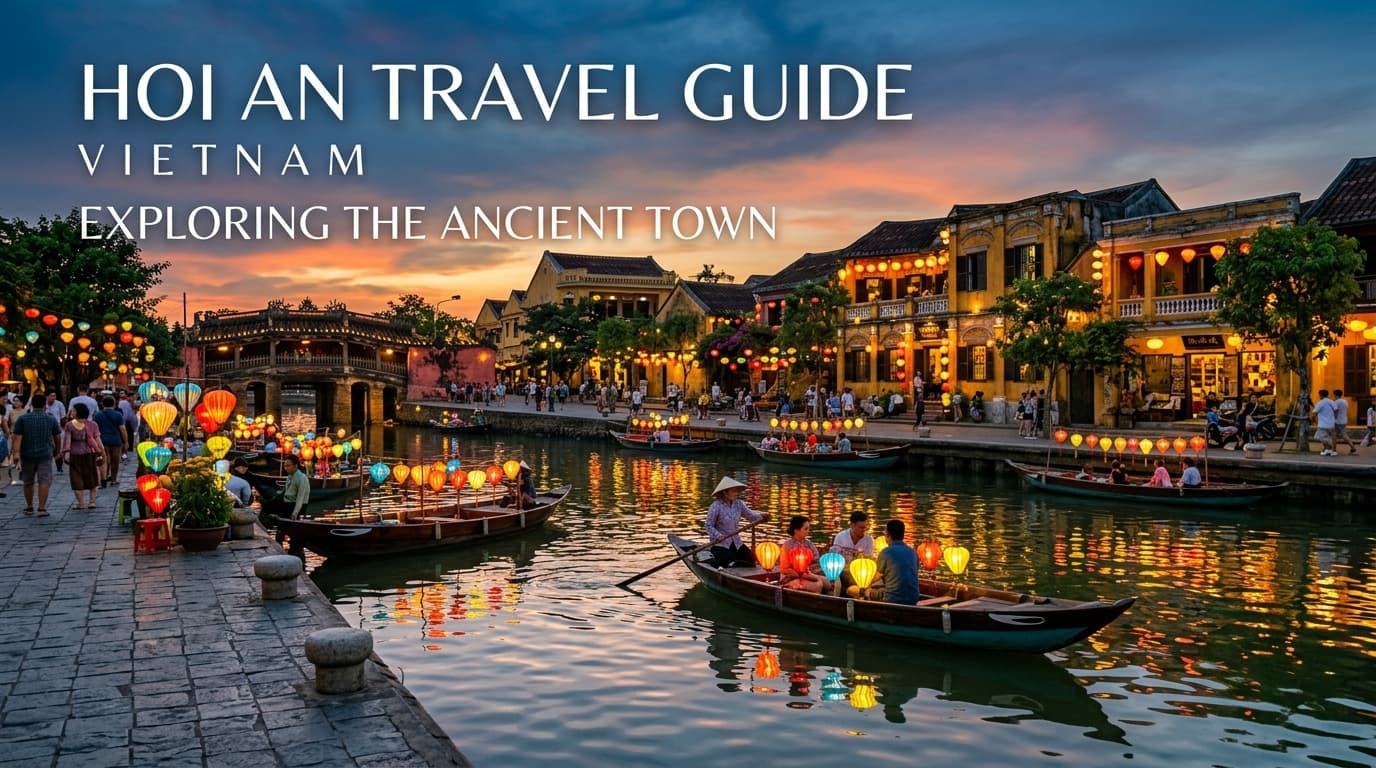
Hoi An Travel Guide: Ancient Town, Beaches & Tailors
Complete Hoi An travel guide: ancient town, pristine beaches, world-class tailors & local food. Includes 1-day & 3-day itineraries.
Plan Your Vietnam Trip
Book hotels, transport, activities, and get connected with an eSIM
Some links are affiliate links. We may earn a commission at no extra cost to you.